Home → Sleep Education → Natural Supplements →  Magnesium Glycinate

Magnesium Glycinate for Sleep: The Complete 2026 Guide

Discover how magnesium glycinate supports deeper rest — plus dosage guidance, timing, form comparisons, and how to stack it for better results.

Dr. Jim Giltner, MD
Written byDr. Jim Giltner, MD· Slumber Research Team· Last Updated: April 27, 2026

Key Takeaways

The five principles that define natural sleep in 2026

  • Magnesium glycinate is a highly absorbable chelated form of magnesium bound to glycine — an amino acid with its own calming properties — making it a two-in-one sleep support compound.
  • Research suggests 200–400 mg of elemental magnesium glycinate taken 30–60 minutes before bed may help improve sleep quality, reduce sleep onset time, and support deeper rest.*
  • Glycinate is widely considered the preferred magnesium form for sleep due to superior bioavailability (up to 4× better than oxide) and minimal digestive side effects.
  • An estimated 50% of Americans fall short of the daily magnesium requirement, and low magnesium levels have been associated with poor sleep quality, insomnia, and restless legs.*
  • Most adults can safely take magnesium glycinate nightly; however, pregnant individuals and those on certain medications should consult a healthcare provider first.
  • Powder formats like Night Lytes may offer faster absorption than capsules, along with additional electrolyte support for overnight hydration.
Key Takeaways

Introduction: Why Magnesium Glycinate for Sleep?

If you find yourself lying awake with a racing mind, or waking up feeling like you never really rested, you are not alone. As of 2026, sleep optimization is shifting away from heavy sedation and toward supporting the body's own biological restoration processes. Magnesium glycinate is one of the most evidence-supported tools in that shift.

This is not a niche supplement — it is an essential mineral that research suggests roughly 50% of Americans are not getting enough of. But not all magnesium supplements are created equal. The specific form matters significantly. Magnesium glycinate combines elemental magnesium with the amino acid glycine to act on the nervous system in ways that other forms simply cannot match.

What Is Magnesium Glycinate?

Magnesium glycinate (also labeled as magnesium bisglycinate) is a chelated form of magnesium — meaning the magnesium molecule is chemically bound to glycine, a non-essential amino acid. This bonding creates a stable compound that survives the acidic environment of the stomach and is absorbed efficiently in the small intestine.

Think of glycine as a delivery system that guides magnesium through your digestive tract and into the bloodstream. Without this bond, raw magnesium is frequently poorly absorbed and excreted before it can do its job. What makes this form especially relevant for sleep is that glycine is not just a carrier — it is an inhibitory neurotransmitter that actively calms neuronal activity, giving magnesium glycinate a dual mechanism of action.

Categories of Natural Sleep Supplements

Understanding the landscape is the first step to optimization. Natural sleep aids generally fall into five distinct categories, each targeting a different biological mechanism:

Superior Bioavailability

Superior Bioavailability

Bioavailability measures how much of a nutrient your body actually absorbs and uses. Magnesium oxide — the cheapest form found in most multivitamins — has a notably poor absorption rate, sometimes as low as 4%. Magnesium glycinate, by contrast, is absorbed up to four times more efficiently. That gap in absorption means a meaningful difference in how much magnesium actually reaches the cells and nervous system involved in regulating sleep.

Gentle on Digestion

Gentle on Digestion

Forms such as magnesium citrate work by drawing water into the intestines — an osmotic effect that is useful for constipation but disruptive for sleep. Magnesium glycinate is pH-neutral and does not produce this water-pulling effect, making it widely regarded as the gentlest form for nightly use. Research and clinical experience consistently support its use without the digestive side effects associated with other forms.

The Glycine Advantage

The Glycine Advantage

Glycine contributes meaningfully to sleep beyond simply transporting magnesium. Research suggests it may help lower core body temperature — an important physiological signal that tells the brain it is time to sleep. Studies also indicate glycine increases serotonin availability (a precursor to melatonin) and may inhibit motor activity during REM sleep. The result is a compound that supports sleep physiology through multiple pathways at once.*

How Magnesium Glycinate Supports Sleep Quality

Magnesium glycinate does not simply sedate — it works through established biological pathways to support the conditions your brain and body need for restful sleep.

GABA Receptor Activation

GABA (gamma-aminobutyric acid) is the brain's primary inhibitory neurotransmitter — effectively the nervous system's off switch for overactive thoughts and stimulation. Magnesium binds to GABA receptors and enhances their activity, helping the brain transition from high-alert beta-wave activity toward the relaxed alpha and theta waves associated with pre-sleep and sleep onset.

Melatonin Production Support

Research suggests adequate magnesium levels support the body's natural melatonin production pathways. When magnesium is insufficient, this process can become less efficient, potentially affecting circadian rhythm and the body's ability to signal that it is time to sleep.*

Muscle Relaxation

Calcium promotes muscle contraction; magnesium promotes muscle relaxation. When magnesium levels are low, calcium can remain in muscle fibers longer than optimal, contributing to tension, cramps, and the physical restlessness that makes it hard to settle at night. Adequate magnesium supports the calcium-to-magnesium balance that allows for physical relaxation necessary for quality sleep.

Cortisol Regulation

Cortisol ideally peaks in the morning and tapers off through the evening. Chronic stress can keep evening cortisol elevated, interfering with the biological process of winding down for sleep. Magnesium acts on the hypothalamic-pituitary-adrenal (HPA) axis in ways that research suggests may help moderate the cortisol response, supporting the body's transition into recovery mode at night.*

Parasympathetic Nervous System Activation

Magnesium plays a role in activating the parasympathetic ("rest and digest") branch of the autonomic nervous system, helping to counterbalance the stimulating effects of the sympathetic ("fight or flight") state. For people whose sleep difficulties stem from difficulty physiologically downregulating after stress, this mechanism is particularly relevant.

Research and Clinical Evidence

Clinical evidence supports magnesium supplementation as a meaningful tool for sleep. A widely cited double-blind, placebo-controlled trial found that elderly participants who supplemented with magnesium showed significantly better sleep efficiency, longer sleep time, and higher melatonin levels compared to placebo.*

More recent research has continued to support this picture. Reviews of magnesium glycinate specifically indicate it may help address insomnia symptoms in individuals with poor sleep quality by reducing hyperexcitability in the nervous system. While more large-scale randomized trials are needed — particularly using magnesium glycinate as an isolated intervention — the existing body of evidence positions it as a well-supported, low-risk sleep support compound.*

— Abbasi B, et al., Journal of Research in Medical Sciences, 2012

Magnesium Glycinate Dosage for Sleep: Finding Your Sweet Spot

Dosage is one of the most common points of confusion with magnesium supplements — largely because product labels can be misleading. The key number to focus on iselemental magnesium, not total compound weight.

Magnesium Glycinate Dosage for Sleep: Finding Your Sweet Spot
Level Dose Adjust Frequency
Intermediate
300 mg
elemental
Hold for 1–2 weeks before adjusting Nightly, 30–60 min before bed
Advanced
400 mg
elemental
Upper end of typical supplementation Nightly — high physical output or chronic stress

Beginner

200 mgelemental

Begin with the lowest amount and track how you feel in the first week.

Best for:

Mild stress and first-time use

Intermediate

300 mgelemental

Use when a starter dose is no longer enough and you need consistent support.

Best for:

Ongoing use after acclimation

Advanced

400 mgelemental

Reserved for experienced users with clear needs and no adverse signals.

Best for:

Supervised, individualized protocols

Important: NIH Tolerable Upper Intake Level

Do not exceed 350 mg of elemental magnesium from supplements without guidance from a healthcare provider. This limit applies to supplemental magnesium only, not total dietary intake from food.

Timing: When to Take It

Take your dose 30–60 minutes before your target sleep time. This window allows the compound to begin absorbing and for glycine's temperature-lowering and calming effects to develop as you are winding down. Taking it at a consistent time each night also helps reinforce circadian routine.

Food, Fasting, and Other Supplements

Magnesium glycinate can be taken on an empty stomach without the digestive discomfort associated with other forms. If you prefer, taking it with a light snack can further moderate absorption speed. It pairs well with L-theanine for additional alpha-wave support and with CBN for those seeking help with sleep maintenance. Avoid taking it at the same time as high-dose calcium or iron supplements, as these compete for absorption.

Magnesium Forms Compared: Which Is Best for Sleep?

Different magnesium compounds serve different purposes. Here is how the most common forms compare specifically for sleep support.

Magnesium Forms Compared: Which Is Best for Sleep?
Level Dose Adjust Frequency
Glycinate
High
Recommended
Excellent Sleep, anxiety reduction, general relaxation — the preferred choice for nightly sleep support
Citrate
Moderate
Moderate Digestion and constipation relief; secondary sleep benefit
Threonate
High
Moderate Cognitive support — memory and focus; less targeted for physical relaxation
Oxide
Very Low
(~4%)
Poor Antacid/heartburn relief; not recommended for sleep

For sleep specifically, glycinate is the most defensible choice. 

Threonate is valuable for cognitive applications but comes at a significantly higher cost with less direct evidence for physical relaxation. Citrate is a laxative first and a sleep support compound second.

Powder, Capsule, or Gummy: Which Format Absorbs Best?

Beyond the form of magnesium, the delivery format affects how quickly it enters the bloodstream — and that timing matters when you are trying to get to sleep.

Powder, Capsule, or Gummy: Which Format Absorbs Best?
Format Absorption Onset Convenience Best For
Capsule Good 30–60 min Easy; portable Travel and consistency
Gummy Moderate 30–45 min Palatable; easy Those who prefer not to swallow capsules
Tablet Slower 45–90 min Inexpensive Budget-conscious supplementation
Liquid Fast 15–30 min Easy dosing Flexible dose adjustment

Why Powder Formats Are Often Preferred for Sleep

Powder formats like Slumber's Night Lytes have two practical advantages for sleep use. First, because the magnesium is already dissolved in liquid by the time you consume it, your body does not need to break down a capsule or tablet shell — onset can be 15–30 minutes faster. Second, many sleep-focused powders include electrolytes alongside magnesium. Dehydration is a common but underappreciated cause of nighttime waking, and a hydrating sleep drink addresses both mineral replenishment and overnight fluid balance in one serving. For a detailed look at how powders and capsules compare, see our guide:

Stacking Magnesium Glycinate for Deeper Sleep

For many people, magnesium glycinate alone is sufficient to meaningfully improve sleep onset and quality. For those with more persistent sleep difficulties — particularly trouble staying asleep — a stacked approach can provide additional support.

Slumber's Modular Recommendation

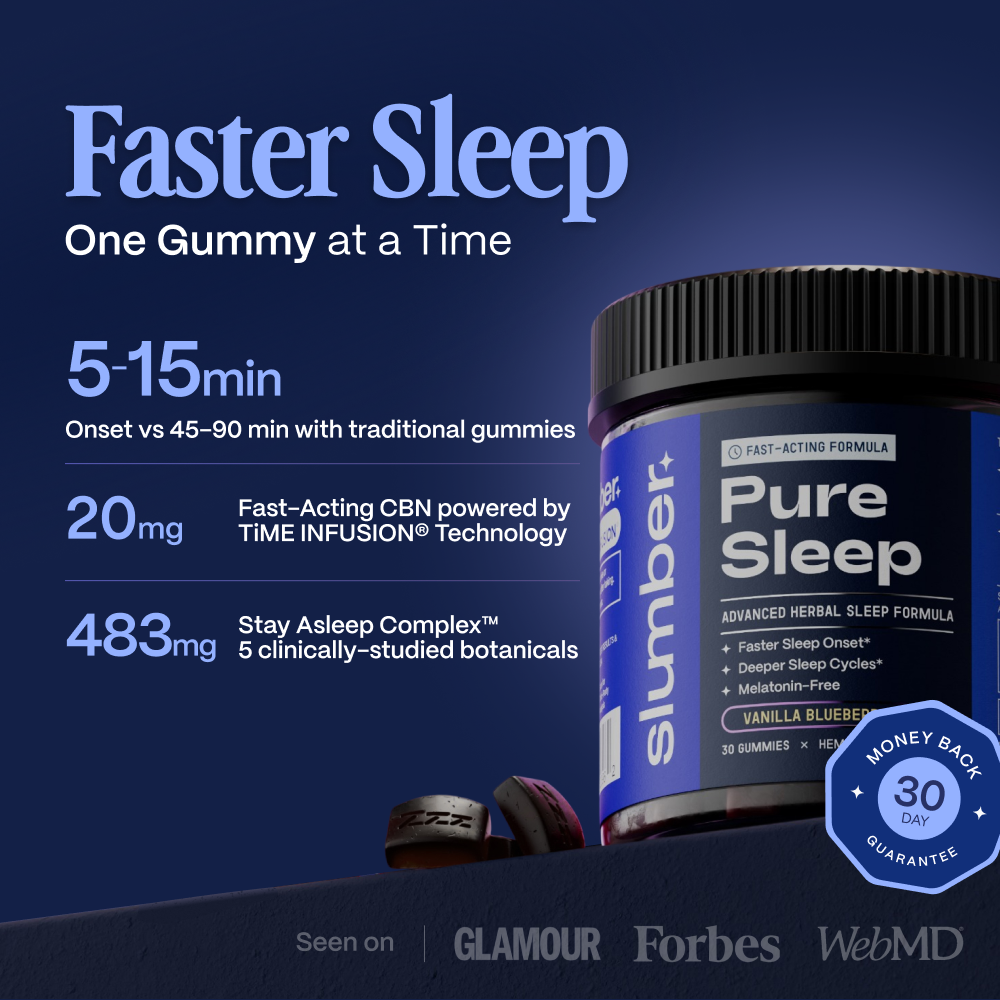
Start with Night Lytes (magnesium + electrolytes powder) as your foundation. If sleep quality improves meaningfully, you may not need to add anything else. If you still struggle with nighttime waking, consider adding a CBN gummy to the stack. This modular approach means you take only what your sleep actually requires.

Is It Safe to Take Magnesium Glycinate Every Night?

Yes — for most healthy adults. Unlike melatonin, which is a hormone with dosing sensitivity over time, or prescription sleep aids that carry dependency and withdrawal risks, magnesium is an essential mineral your body uses daily for over 300 enzymatic functions. Nightly supplementation simply replenishes what stress, diet, and physical activity deplete.

Is It Safe to Take Magnesium Glycinate Every Night?

No Dependency Risk

There is no physiological dependency associated with magnesium glycinate. Your body does not "forget" how to sleep without it — it functions better with adequate magnesium levels. You can stop supplementing at any time without withdrawal; sleep quality may gradually return to baseline as stored levels deplete.

Who Should Consult a Doctor First

  • Individuals with chronic kidney disease — the kidneys regulate magnesium excretion, and impaired kidney function can lead to magnesium accumulation.
  • Those taking antibiotics (particularly tetracyclines and quinolones) or heart medications, as magnesium can affect absorption and pharmacokinetics of certain drugs.
  • Pregnant individuals — see the section below.
  • Anyone with a known heart block or diagnosed heart arrhythmia.

Is Magnesium Glycinate Safe During Pregnancy?

Magnesium needs increase during pregnancy — the NIH Office of Dietary Supplements notes recommended intakes of 350–360 mg/day for pregnant adults. Adequate magnesium is associated with reduced leg cramping and may support better sleep quality during pregnancy, common concerns in the second and third trimesters. The glycinate form is generally considered preferable during pregnancy due to its gentle effect on digestion.*

That said, always consult your OB-GYN before starting or adjusting any supplement during pregnancy.High doses may affect uterine muscle tone, and magnesium supplementation should be integrated into your prenatal care plan rather than undertaken independently.

How to Choose a High-Quality Magnesium Glycinate Supplement

The supplement industry operates under lighter regulatory oversight than pharmaceuticals. Quality and purity vary considerably between brands. Here is what to look for and what to avoid.

Quality Checklist

  • Elemental magnesium amount clearly stated on the Supplement Facts panel.
  • Chelated form indicated: look for "TRAACS" certification or explicit labeling as "bisglycinate chelate" — these are markers of a true chelation process rather than a cheaper oxide mix.
  • Third-party testing: a Certificate of Analysis (COA) should be available on request or published on the brand's website, confirming purity and potency.
  • No proprietary blends that obscure the actual dose of each ingredient.

Red Flags to Avoid

  • "Magnesium buffered" on the label — often indicates the product is cut with cheaper magnesium oxide.
  • No third-party COA available, or a brand that does not respond to COA requests.
  • Dosage math that does not add up: if you cannot determine the elemental magnesium per serving from the label, that is a problem.

Why Slumber publishes every COA

Every batch of Slumber's Night Lytes and CBN products is third-party lab tested for purity, potency, and contaminants. Certificates of Analysis are published openly — not on request.

View our latest COAs

Common Mistakes When Using Magnesium Glycinate for Sleep

Taking the wrong form

Magnesium oxide is significantly cheaper but absorbed far less efficiently. Savings on the label do not translate to savings in your sleep.

Under-dosing

  • A single capsule may contain only 50 mg of elemental magnesium. Verify the elemental amount and ensure you are reaching the 200–400 mg therapeutic window.

Expecting immediate sedation

Magnesium glycinate is a physiological relaxant, not a sedative. Allow 30–45 minutes for its effects to develop, and give your body 1–2 weeks of consistent use to reach optimal magnesium levels.

Inconsistent use

Sporadic supplementation does not allow tissue magnesium levels to stabilize. Nightly use at a consistent time produces the most reliable results.

Taking it at the wrong time of day

  • For sleep goals, take it at night. While magnesium can be taken in the morning for general health, glycine's temperature-lowering and calming effects are most beneficial in the hour before bed.

Potential Side Effects and Safety Considerations

Magnesium glycinate is exceptionally well-tolerated compared to other magnesium forms, but a small number of users do report effects worth knowing about.

Loose stools

RARE

Rare with glycinate compared to citrate, but can occur at higher doses.

THE FIX: Reduce your dose and titrate back up slowly.

Vivid dreams

Common

Some users report more vivid or memorable dreams, particularly in the first few weeks. This is generally a positive sign of deeper REM sleep cycling and tends to normalize over time.

WHAT TO EXPECT Typically resolves within 2–3 weeks as sleep architecture stabilizes.

Excessive drowsiness

RARE

Very high doses can contribute to lethargy or low blood pressure in sensitive individuals.

THE FIX: Stay within the 200–400 mg elemental magnesium range.

Hypermagnesemia

RARE

Toxicity from supplemental magnesium is rare in people with healthy kidney function because excess magnesium is excreted in urine.

WHO SHOULD AVOID Those with kidney impairment should not supplement without medical supervision.

Final Thoughts: Using Magnesium Glycinate as a Foundation for Better Sleep

Magnesium glycinate is not a miracle solution — but it is one of the most evidence-grounded, low-risk sleep support tools available. By supporting GABA activity, cortisol regulation, melatonin production pathways, and muscle relaxation, it addresses the biological conditions that make rest possible rather than overriding them chemically.

Start with a high-quality source, dose correctly for elemental magnesium, take it consistently at night, and give your body two weeks to reflect the change. For most people dealing with stress-related sleep difficulty or a dietary magnesium gap, that is enough to see a meaningful difference. For those with persistent sleep maintenance issues, the addition of CBN provides a complementary layer that addresses what magnesium alone cannot.

Frequently Asked Questions

*Independent third-party studies and peer-reviewed clinical research, as cited. Individual results may vary. Magnesium glycinate is a dietary supplement and is not intended to diagnose, treat, cure, or prevent any disease.

Clinical evidence suggests yes, particularly for individuals with low magnesium status or sleep difficulties related to stress and nervous system overactivation. Studies indicate magnesium supplementation can improve sleep efficiency, reduce the time it takes to fall asleep, and increase melatonin levels compared to placebo. Effects are typically most noticeable after 1–2 weeks of consistent use.

You may notice physical relaxation within 30–60 minutes of taking it. However, meaningfully correcting a magnesium deficit and seeing the full sleep benefit typically takes 1–2 weeks of nightly supplementation as your tissue magnesium levels stabilize.

They work differently and serve different purposes. Melatonin primarily regulates sleep timing — it is particularly useful for jet lag or shift work. Magnesium glycinate supports the physiological ability to relax and stay asleep. For long-term nightly use, magnesium is generally considered lower-risk because it is an essential nutrient rather than a hormone. Many people benefit from both, used strategically.
→ See: Magnesium vs. Melatonin: Which Is Better for Sleep?

Yes, and this is generally a positive sign. Magnesium supports deeper REM sleep cycling. If you have been sleep-deprived or in lighter sleep stages, your brain may rebound with more vivid dreaming as it catches up on lost REM sleep. This typically normalizes within a few weeks.

Nothing meaningful. Bisglycinate is the chemically precise term — it refers to magnesium bound to two glycine molecules. "Glycinate" is the common shorthand used in consumer labeling. Both refer to the same compound.

Yes. It pairs well with L-theanine, zinc, vitamin D, apigenin, and CBN. Avoid taking it simultaneously with high-dose calcium or iron, as these compete for the same absorption pathways. Taking magnesium 1–2 hours apart from these minerals maximizes its uptake.

Research suggests magnesium may help reduce RLS symptoms by supporting muscle relaxation and counteracting the calcium accumulation in muscle tissue associated with cramps and restlessness. A dose of 300 mg elemental magnesium nightly is commonly cited in clinical contexts for RLS. 

Magnesium has mild vasodilating properties and can modestly lower blood pressure. If you are on antihypertensive medications, supplementing with magnesium glycinate may have an additive effect. A 2024 NIH review notes no major interactions at doses under 400 mg elemental magnesium for most individuals, but monitoring and personalized guidance from your prescribing physician is recommended before starting.

Ready to give your body what it needs?

Better days begin at night.™

Start with magnesium. Add CBN if you need it. Slumber's modular sleep system is designed to give you only what your sleep actually requires — no more, no less.