Free shipping on orders $75+ · 30-day money-back guarantee
Free shipping $75+ · 30-day guarantee
Free shipping on orders $75+ · 30-day money-back guarantee
Free shipping $75+ · 30-day guarantee
Everything you need to know about using CBN for better sleep, how it works, optimal dosing, safety considerations, and where to buy quality products.

Key Takeaways
CBN (cannabinol) is a cannabinoid derived from oxidized or aged THC, primarily known for its sedative effects and sleep promoting properties.
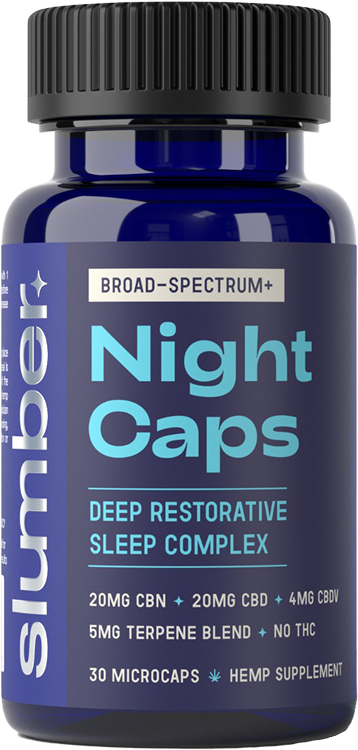
If you struggle with falling asleep, staying asleep, or waking up feeling unrested, you are among millions of adults who are actively searching for sleep solutions which can address these most common areas of sleep related issues. In recent years, CBN for sleep has emerged as one of the most promising cannabinoid-based and natural sleep aids due to its sedative and sleep promoting properties. CBN, short for cannabinol, is gaining attention for its ability to support deeper, more consistent sleep cycles. Unlike traditional sleep aids that rely on hormones or strong sedatives, CBN works through the body’s endocannabinoid system, a regulatory network involved in sleep, mood, and recovery.
This resource hub explains what CBN is, how it works for sleep, what the science says, how to dose it responsibly, and how to choose high quality CBN products. Whether you are exploring alternatives to melatonin or looking for better sleep support, this guide is designed to give you the information you need.
CBN (cannabinol) is a naturally occurring cannabinoid found in the cannabis plant. When isolated from the cannabis plant using CO² extraction methods, CBN produces a sedative effect without any feelings of being high like some of the other components found in the cannabis plant. CBN naturally forms when THC is exposed to heat, light, or oxygen over time , a process known as oxidation. This unique origin gives CBN a distinct effects profile. CBN has developed a reputation for its potential calming and sleep supportive effects.
For a deeper breakdown
See our foundational guide
CBN’s sleep related effects are believed to stem from its interaction with the endocannabinoid system (ECS), a signaling network that helps regulate sleep wake cycles, stress response, appetite, and homeostasis.
CB1 receptors, which are concentrated in the brain and central nervous system, play a role in neurotransmitter release and sleep regulation. When CBN interacts with these receptors, it may help:

CB1 Receptors
Brain & Nervous System

Promotes Relaxation
Calms your nervous system and quiets racing thoughts

Supports Continuous Sleep
Fewer nighttime awakenings and disruptions

Enhances Deep Sleep
Encourages deeper, more restorative sleep stages

Reduces Sleep Onset
Helps you fall asleep faster naturally
Many sleep formulas combine CBN with CBD (and sometimes trace amounts of THC). This combination may create an entourage effect, where cannabinoids work synergistically to enhance overall sleep benefits. Many users report better results from CBN + CBD together than from either compound alone.
Emerging research and extensive user feedback suggest that CBN can be effective for improving sleep quality, particularly for adults who struggle with sleep maintenance.
While large-scale clinical trials are still developing, existing research offers encouraging insights:
Baylor College of Medicine research shows that even modest increases in sleep duration (approximately 45-50 minutes) are associated with improved next-day wellbeing.
Preclinical and observational studies indicate CBN may have sedative-like properties.
User surveys consistently report improvements in sleep onset and fewer nighttime awakenings.
Most users find 10-20mg effective, taken 30-60 minutes before bed.
87%
Rated CBN better than other aids
72+
Extra minutes of sleep
82%
Reported better sleep quality
Ongoing research continues to clarify CBN’s full role in sleep health
Learn more about the Baylor sleep study and what it means for CBN users.
Skepticism around CBN often stems from:
Importantly, lack of FDA approval does not equal lack of efficacy, it indicates that research is ongoing, as is common with many natural sleep aids.
Based on current evidence and user reports, potential benefits include:

CBN may help calm mental and physical tension that interferes with falling asleep.

Many users report more continuous sleep with fewer disruptions throughout the night.

Quality sleep is not just about duration. CBN may help support deeper, more restorative sleep stages.

Unlike many prescription sleep medications, CBN is not considered habit-forming and does not appear to cause dependence.

CBN works with the body’s ECS rather than overriding natural sleep processes.

Wake up refreshed without the “hangover” effect common with other sleep aids.
See why CBN is the preferred choice for natural sleep support
| CBN Recommended | CBD | |
|---|---|---|
| Primary Use | Sleep support | Calm, wellness, pain |
| Sedative Effect | Stronger | Milder |
| Best Time | Evening/night | Any time |
| Research Level | Emerging | More extensive |
| Best For | Dedicated sleep issues | Daytime calm, general wellness |
CBN appears better suited for targeted sleep support, while CBD is often used for general calm and daytime wellness. Many people benefit most from combining the two.
Melatonin is the most commonly used sleep supplement, but it works very differently than CBN.
| CBN Recommended | Melatonin | |
|---|---|---|
| Mechanism | ECS interaction | Hormone signaling |
| Next-Day Grogginess | Less common | More common |
| Sleep Maintenance | May help staying asleep | Primarily helps falling asleep |
| Drug Interactions | Fewer known | Several medications |
| Natural Source | Cannabis plant | Synthetic or animal-derived |
CBN dosing is individualized. Factors include body weight, metabolism, and severity of sleep issues.
| Beginner |
Starting
5-10mg
|
Max
10-15mg
|
Per Night
|
| Intermediate |
Starting
10-15mg
|
Max
20-25mg
|
Per Night
|
| Experienced |
Starting
15-20mg
|
Max
30mg+
|
Per Night
|
Start low and increase gradually.
For more detail, see CBN Dosage Guide.
Timing matters for optimal results. CBN should be taken 30-60 minutes before your desired bedtime, though the exact timing depends on the product format:
Sublingual absorption is faster
Must be digested first
Slower absorption
For more timing strategies
Read our guide on when to take CBN for sleep.
CBN is generally well tolerated and considered safe for public consumption. It is important to know common side effects, less common effects, and individuals recommended to avoid taking CBN for sleep. Below we present those for you:
"Finally found something that works without making me groggy"
"I fall asleep faster and stay asleep longer"
"The combination with CBD seems to work better than either alone"
"No hangover effect like melatonin gives me"
"Took a few days to notice the full effect"
87%
Report better sleep quality
82%
Fall asleep faster
91%
Would recommend to a friend
Every Slumber product is third-party tested by independent laboratories. Our Certificates of Analysis verify potency, purity, and the absence of contaminants like heavy metals, pesticides, and residual solvents.
Compare gummies, tinctures, and capsules to find your best option
Onset Time
30-60min
Duration
6-8 hours
Best for:
Consistent dosing, sustained effects throughout the night

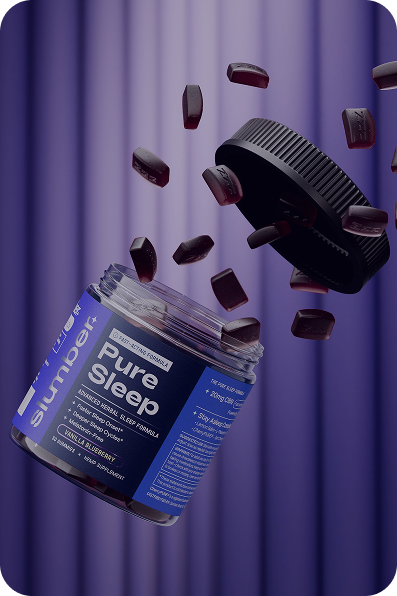
Our best-selling formula combines 10mg CBN + 25mg CBD per gummy. The balanced ratio provides the entourage effect while keeping CBN at the optimal dose most users prefer.
Onset Time
15-30min
Duration
4-6 hours
Best for:
Fast onset, customizable dosing, sublingual absorption
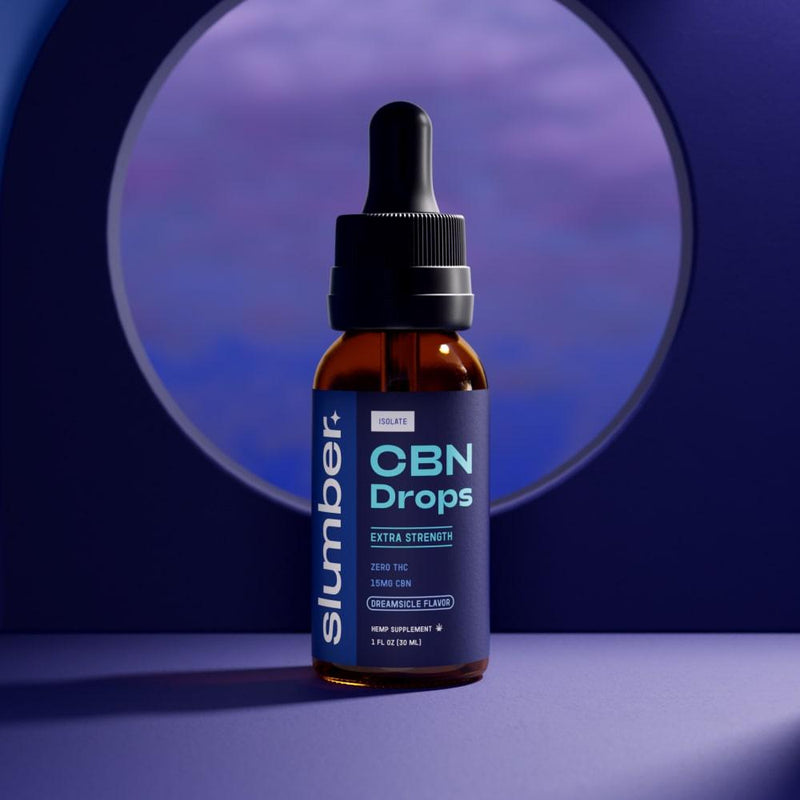
Premium CBN oil with relaxing terpenes. Place under tongue for fastest absorption. Ideal for those who want precise dose control.
Onset Time
45-90min
Duration
8+ hours
Best for:
Longest duration, convenient dosing, travel-friendly
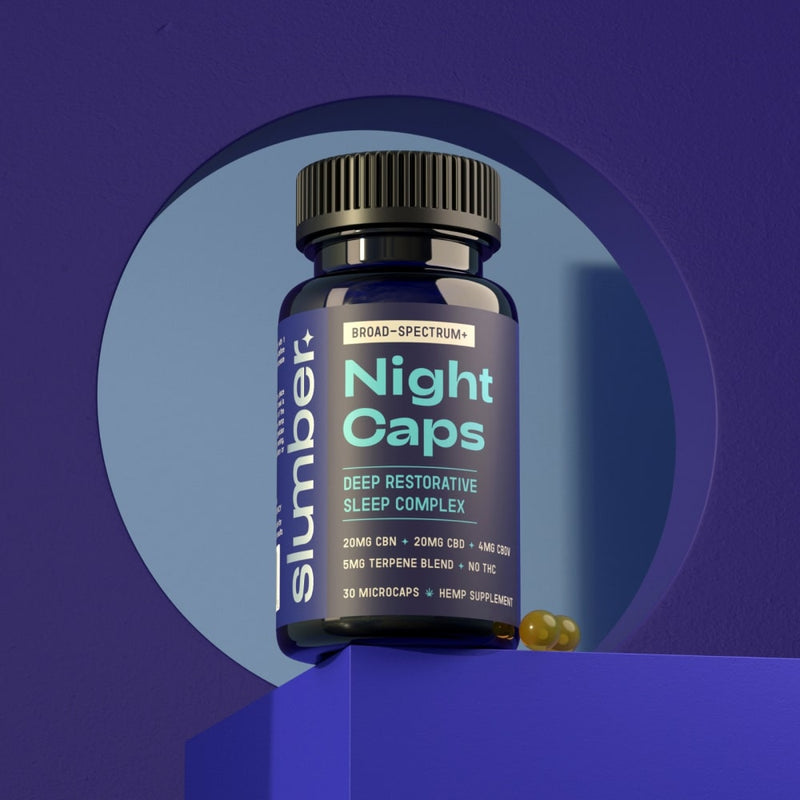
Easy-to-swallow softgels with measured CBN dosing. Slower onset but longest-lasting effects for all-night support.
Our Recommendation:
Gummies are the most popular choice for sleep because they provide consistent dosing and sustained effects throughout the night. Tinctures are ideal if you need faster onset or want to fine-tune your dose.
With the growing popularity of CBN, many brands have entered the market — but quality varies significantly.
Slumber’s Commitment to Quality
Every Slumber product is third-party tested by independent laboratories. Our Certificates of Analysis verify potency, purity, and the absence of contaminants like heavy metals, pesticides, and residual solvents.
View our third-party lab test results →CBN may be particularly helpful for certain groups:

This section is for informational purposes only. Always consult your healthcare provider before starting any new supplement.

Beyond general sleep support, CBN shows particular promise for specific sleep disorders.
Some research suggests that CBN may help reduce REM sleep (the stage where most vivid dreams occur) in favor of deeper, more restorative sleep stages. Users with nightmare disorders, including veterans with PTSD-related nightmares, have reported fewer disturbing dreams when using CBN.
For chronic insomnia sufferers, CBN offers several potential advantages: Addresses both sleep onset and sleep maintenance. Non-habit forming (unlike many prescription sleep aids). May reduce anxiety that contributes to insomnia. Can be used alongside sleep hygiene practices.

This information is for educational purposes only and does not constitute legal advice. Laws regarding cannabinoids vary by jurisdiction and are subject to change.

Make the sheep count the hours you sleep.
100,000+ happy sleepers • 30-day money-back guarantee
 Lab Tested
 Made in USA
 Doctor Formulated
 30-Day Guarantee
Quick answers about CBN for sleep
Yes, emerging research and user reports suggest CBN may support better sleep quality. CBN interacts with the endocannabinoid system to promote relaxation and may help reduce sleep onset time.
Yes, CBN is generally considered safe for nightly use. It is not known to be habit-forming. However, it’s always advisable to start with a low dose and consult with a healthcare professional.
CBN typically takes 30-60 minutes to take effect when consumed as gummies or capsules. Tinctures taken sublingually may work faster, usually within 15-30 minutes.
CBN may help with insomnia by addressing both sleep onset and sleep maintenance. It works through the endocannabinoid system rather than hormonal pathways, offering a different mechanism than traditional sleep aids like melatonin.