We break down the most common side effects of CBN like next day grogginess. Clinical research about CBN's side effects is cited throughout this guide as well as practical insights into the safety of CBN.

Key Takeaways
CBN side effects are generally mild, according to the largest clinical trial of CBN for sleep to date. In a 2024 randomized, placebo-controlled trial of roughly 1,000 adults, people taking 25–100 mg of CBN nightly reported side effects no more often than those taking a placebo. The most common were grogginess, headache, and mild stomach upset, and none were serious. At much higher doses the picture changes: a 2026 sleep-lab study found that 300 mg of CBN produced modest intoxicating effects. [EXPERT REVIEW: Both trials cited were industry-funded or industry-conducted. Confirm the reviewer is comfortable citing them without a disclosure note, and verify the effect list against the full papers.]
Cannabinol (CBN) is still newer to the research world than CBD or melatonin, so it’s reasonable to want a clear safety picture before adding it to your nightly routine. This guide covers the side effects reported in research, possible medication interactions, who should check with a healthcare provider first, and practical ways to reduce unwanted effects. Most of those start with finding the right CBN dosage for sleep. If you’re new to the compound, start with our explainer, What Is CBN? Everything You Need to Know.
94%
mild effects only in clinical trials
~10%
as potent as THC
20mg
max daily dose considered safe

CBN (cannabinol) is a mildly psychoactive cannabinoid that forms as THC breaks down over time. It binds to the same cannabinoid receptors as THC, but far more weakly. That’s why its side effects tend to look like a much milder version of THC’s: drowsiness, next-morning grogginess, and, at very high doses, a slight intoxicating effect.
CBN is essentially “aged” THC. When THC is exposed to oxygen, heat, and light, it gradually converts into CBN, a less potent compound. CBN binds directly to your body’s CB1 and CB2 cannabinoid receptors, much like a key fitting a lock. The key turns far more weakly than THC’s does. CBD works differently: it binds weakly to these receptors and influences them indirectly.
This weaker receptor activity may explain why CBN can promote relaxation without the pronounced “high” of THC at typical supplement doses. Dose still matters. In a 2026 sleep-lab study, researchers observed modest intoxicating effects at 300 mg, a dose far above most consumer products.
For a deeper look at how CBN interacts with sleep, see our CBN for sleep guide.
Grogginess was the most frequently reported side effect in clinical research on CBN. Some people find the relaxed feeling that helps them wind down at night lingers into the next morning. How long CBN stays active varies from person to person and can depend on dose, timing, body weight, and metabolism.
What May Help: Consider taking CBN a bit earlier in the evening or trying a lower amount. Our CBN dosage guide explains how to start low and adjust gradually. A CBN tincture makes small adjustments easy. Avoid driving or operating machinery until you know how CBN affects you.
Grogginess was the most frequently reported side effect in clinical research on CBN. Some people find the relaxed feeling that helps them wind down at night lingers into the next morning. How long CBN stays active varies from person to person and can depend on dose, timing, body weight, and metabolism.
Headaches were reported by a small number of participants in CBN trials, and also by people taking a placebo. It isn’t always clear whether CBN is the cause.
A few trial participants reported nausea, diarrhea, or an upset stomach. Unlike THC, CBN isn’t strongly associated with the “munchies,” though some users anecdotally report a mild change in appetite.
Some participants in CBN research reported vivid dreams or nightmares. These were mild, and reports were infrequent.
Dry mouth and dizziness are commonly associated with THC and cannabis use. They were rarely or not reported in CBN-only trials.

CBN works by interacting with your endocannabinoid system (ECS).
When you take CBN, it acts like a biological brake pedal. By binding weakly to CB1 receptors, it signals your body to downshift from a state of alertness to a state of rest. This direct interaction is why CBN is often felt physically—heavy eyelids, calmness, and muscle relaxation.
What Medications Should Not Be Taken with CBN? You need to be careful here. CBN is metabolized by the liver using the CYP450 enzyme system. This is the same pathway used to process over 60% of prescription drugs.
When CBN occupies these enzymes, other drugs "wait in line," potentially causing serious health issues that you certainly want to avoid.
Blood thinners (like Warfarin)
★★★ High RiskSedatives and sleep medications (Ambien, Benzos)
★★ Moderate RiskAnti-anxiety medications
★★ Moderate RiskCertain antidepressants
★★ Moderate RiskHeart medications
★★ Moderate RiskIf your medication has a "grapefruit warning" on the bottle, it likely interacts with CBN. Please consult your doctor before ingesting CBN and any medication with a grapefruit warning.

Cannabinoids can cross the placental barrier and are excreted in breast milk. There is insufficient safety data for developing infants.

Compromised organs cannot filter the cannabinoid effectively, leading to bioaccumulation.

Lack of pediatric safety data.
Both CBN and CBD appear to be well tolerated in clinical research, but CBD has a much larger body of safety data behind it. That’s largely because CBD has been studied longer, including as Epidiolex, an FDA-approved prescription medication for two rare forms of epilepsy.
CBN research is newer, but early results are reassuring. In a 2024 placebo-controlled trial, adults taking 25–100 mg of CBN nightly reported side effects no more often than those taking a placebo, and none were serious. CBD, meanwhile, has known side effects at prescription-level doses, including drowsiness, diarrhea, and changes in liver enzymes.
Neither is “safer” across the board. The better question is which one fits your needs, at what dose, and alongside which medications. For more on how CBN fits into a sleep routine, see our CBN for sleep guide.
At typical supplement doses, CBN isn’t known to produce the kind of high associated with THC. At very high doses, it may cause mild intoxicating effects. In a 2026 sleep-lab study, researchers observed modest intoxicating effects at 300 mg of CBN, far more than most consumer products contain.
Some users describe a relaxed, “heavy” feeling in the body rather than a mental high.
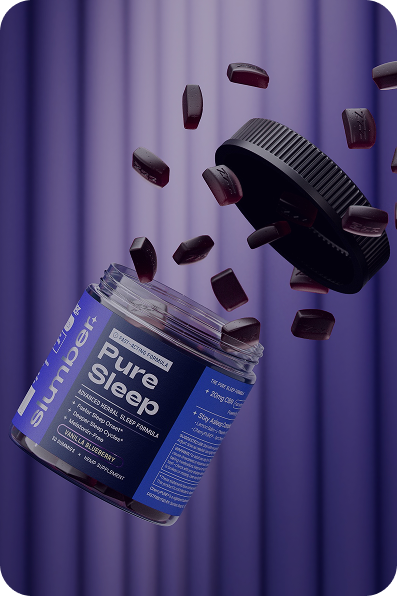
One important note: many CBN products also contain THC. If a product includes Delta-9 THC, any intoxicating effects may come from the THC rather than the CBN. Always check the label and Certificate of Analysis (COA). If you’d prefer to avoid THC entirely, look for THC-free options like our Pure Sleep CBN gummies.
Short-term research suggests nightly CBN use is generally well tolerated, but long-term data is limited. The largest trial to date followed participants who took CBN nightly for about four weeks. Studies of a year or longer haven’t been done yet.
Tolerance is a reasonable question. Tolerance to THC is well documented, but whether it develops with CBN specifically hasn’t been studied. Some people choose to use CBN as needed rather than every night. If you plan to use it nightly over the long term, talk with your healthcare provider, especially if you take other medications. Our CBN dosage guide covers how to start low and find the lowest amount that works for you.
Serious side effects from CBN have not been reported in clinical trials to date. In the largest trial, a small number of participants reported feeling anxious or restless, or a racing heart. None of these events required medical care.
Stop using CBN and contact a healthcare provider if you experience heart palpitations, severe anxiety, confusion, or any reaction that concerns you. Talk to your provider before using CBN if you:
It’s possible. Because CBN is structurally similar to THC, it can trigger a positive result on some common urine drug screens, even in products that contain no THC. In a 2020 laboratory study, CBN cross-reacted with two widely used THC screening tests. More precise confirmatory testing (mass spectrometry) wasn’t affected.
A bigger risk comes from products that contain THC alongside CBN. That THC can produce a true positive. If you’re subject to drug testing for work or other reasons, consider avoiding CBN products, or talk with whoever administers your test before using them.

Mixing with Alcohol: Amplifies sedation to dangerous levels.
Driving After Dosing: Reaction times are slowed even if you don't feel "high".
Inconsistent Timing: Taking it too late causes morning grogginess.
Finding your "sweet spot" is an art. Here is a template you can use to find the best dosage. It's important that you monitor the effectiveness of CBN products for you, and if you have any specific questions to consult your doctor.
Mild Sleeplessness
4mg - 8mg
Moderate Sleeplessness
8mg - 16mg
Advanced Sleeplessness
16mg - 20mg
You can mitigate almost all side effects by controlling the environment and the product. Here is guidance for how to minimize CBN's side effects:
This is the golden rule of cannabinoids. Start with a low dose—even if you think you have a high tolerance from THC or CBD use. CBN hits different receptors. Give your body 3-4 nights at a low dose (4-8mg) to adjust before increasing. This prevents the "CBN hangover" and lets you find the minimum effective dose.
CBN is a tool, not a magic wand. It works best when you set the stage for sleep.
The supplement industry is unregulated, which means "CBN" on the label doesn't guarantee safety. Poorly processed CBN can contain heavy metals, residual solvents from extraction, or illegal levels of THC.
The science on long-term CBN use is still in its infancy. Most studies focus on short-term efficacy for sleep. However, early data and anecdotal evidence from the biohacking community suggest that tolerance can build up over time.
Research indicates that chronic stimulation of CB1 receptors can lead to receptor downregulation—essentially, your body becomes less sensitive to the signal. To maintain effectiveness and safety, we recommend periodic "washout" periods. For example, use CBN during the work week and take weekends off, or use it for 3 weeks and take 1 week off. This keeps your receptors sensitive and effective (Anderson et al., 2024).
As of 2026, CBN is considered generally safe for healthy adults. While there is growing clinical data, recent studies continue to support its low toxicity profile. The FDA has not approved CBN as a drug, meaning it remains an unregulated supplement, which places the burden of quality on the manufacturer and industry-based research.
The biggest safety variable isn't the cannabinoid itself—it's the product quality. Third-party testing is non-negotiable. Without it, you risk consuming residual solvents, pesticides, or undeclared THC. When sourced from reputable brands and used responsibly, CBN presents a low-risk option for natural sleep support (Bonn-Miller et al., 2023).
The Bottom Line:
CBN is a potent tool for sleep optimization with a manageable safety profile for most healthy adults. By treating CBN with respect—starting low, choosing lab-tested products, and cycling your usage—you can leverage this cannabinoid to unlock deeper, more restorative sleep.
Emerging research and extensive user feedback suggest that CBN can be effective for improving sleep quality, particularly for adults who struggle with sleep maintenance.
While large-scale clinical trials are still developing, existing research offers encouraging insights:
Baylor College of Medicine research shows that even modest increases in sleep duration (approximately 45-50 minutes) are associated with improved next-day wellbeing.
Preclinical and observational studies indicate CBN may have sedative-like properties.
User surveys consistently report improvements in sleep onset and fewer nighttime awakenings.
Most users find 10-20mg effective, taken 30-60 minutes before bed.
87%
Rated CBN better than other aids
72+
Extra minutes of sleep
82%
Reported better sleep quality
Ongoing research continues to clarify CBN's full role in sleep health
Learn more about the Baylor sleep study and what it means for CBN users.
Skepticism around CBN often stems from:
Importantly, lack of FDA approval does not equal lack of efficacy — it indicates that research is ongoing, as is common with many natural sleep aids.
30-day money back guarantee
30-day money back guarantee
30-day money back guarantee
30-day money back guarantee
Every Slumber product is third-party tested by independent laboratories. Our Certificates of Analysis verify potency, purity, and the absence of contaminants like heavy metals, pesticides, and residual solvents.

CBN works by interacting with your endocannabinoid system (ECS).
Mostly in your brain and central nervous system.
In your immune system and peripheral organs.

This information is for educational purposes only and does not constitute legal advice. Laws regarding cannabinoids vary by jurisdiction and are subject to change.

Make the sheep count the hours you sleep.
100,000+ happy sleepers • 30-day money-back guarantee
 Lab Tested
 Made in USA
 Doctor Formulated
 30-Day Guarantee
Common side effects include drowsiness, dry mouth, and mild changes in appetite. Most effects are dose-dependent and subside within 4-6 hours. Because CBN is primarily used for sleep, drowsiness is typically the intended result rather than an adverse event.
No, not in the traditional sense. CBN is approximately 10% as potent as THC and does not produce a disorienting or intoxicating "high" at standard sleep doses (5-10mg). Instead, users typically report a deep sense of physical relaxation and sedation.
Both cannabinoids have strong safety profiles. While CBD has more extensive clinical research (including FDA-approved uses), CBN has shown no major safety concerns in recent trials. The key difference is that CBN is specifically sedative (making it better for sleep) while CBD is generally non-sedating.
CBN interacts with liver enzymes (CYP450), similar to many common drugs. A good rule of thumb: if your medication has a "Grapefruit Warning" on the bottle, it may interact with CBN. This includes certain blood thinners, benzodiazepines, and heart medications. Always consult your doctor first.
Daily use is likely safe for short durations, but long-term data is limited. To prevent tolerance (where you need more to feel the same effect), we recommend cycling your usage—for example, taking it for 5 nights and taking 2 nights off.
Possibly. Because CBN is a degradation product of THC, it has a similar chemical structure. This similarity can sometimes trigger a "false positive" on older or less sensitive urine drug screens. If your job requires strict testing, use caution.
Unlike Melatonin, which is a hormone that shifts your circadian rhythm, CBN is a cannabinoid that promotes physical relaxation. Many users prefer CBN because it avoids the vivid dreams and "hormonal grogginess" often associated with Melatonin. However, both are considered safe for short-term use.
You should never drive or operate machinery after taking CBN. Because it is a sedative, it can slow reaction times. Most users feel fully alert the next morning, but you should wait at least 8 hours after dosing before driving.
If you wake up feeling groggy, it is usually a sign that you took the dose too late (less than 8 hours before waking) or the dose was too high. Lowering your dose by 2.5mg typically eliminates this "morning fog."


