
Stack 01 · Beginner
The "Essential" Stack
- Foundation
- Magnesium Glycinate 300mg
- Support
- Chamomile Tea
Goal: Basic nutrient support and gentle relaxation.
Free shipping on orders $75+ · 30-day money-back guarantee
Free shipping $75+ · 30-day guarantee
Tossing and turning despite melatonin, only to wake up groggy? One in three people worldwide suffer chronic sleep struggles. This article reveals how magnesium, mushrooms, and herbs outperform synthetic aids for deeper rest, backed by trials showing magnesium boosts sleep quality by 42%.

Why it matters
The five principles that define natural sleep in 2026

Understanding the landscape is the first step to optimization. Natural sleep aids generally fall into five distinct categories, each targeting a different biological mechanism:

Primarily Magnesium (specifically Glycinate and Threonate) which act as the nervous system's brake pedal.

Adaptogens like Reishi and Lion's Mane that regulate stress response.

Classics like Valerian Root, Chamomile, and Passionflower that modulate GABA.

L-Theanine, Glycine, and Tryptophan which support neurotransmitter balance.

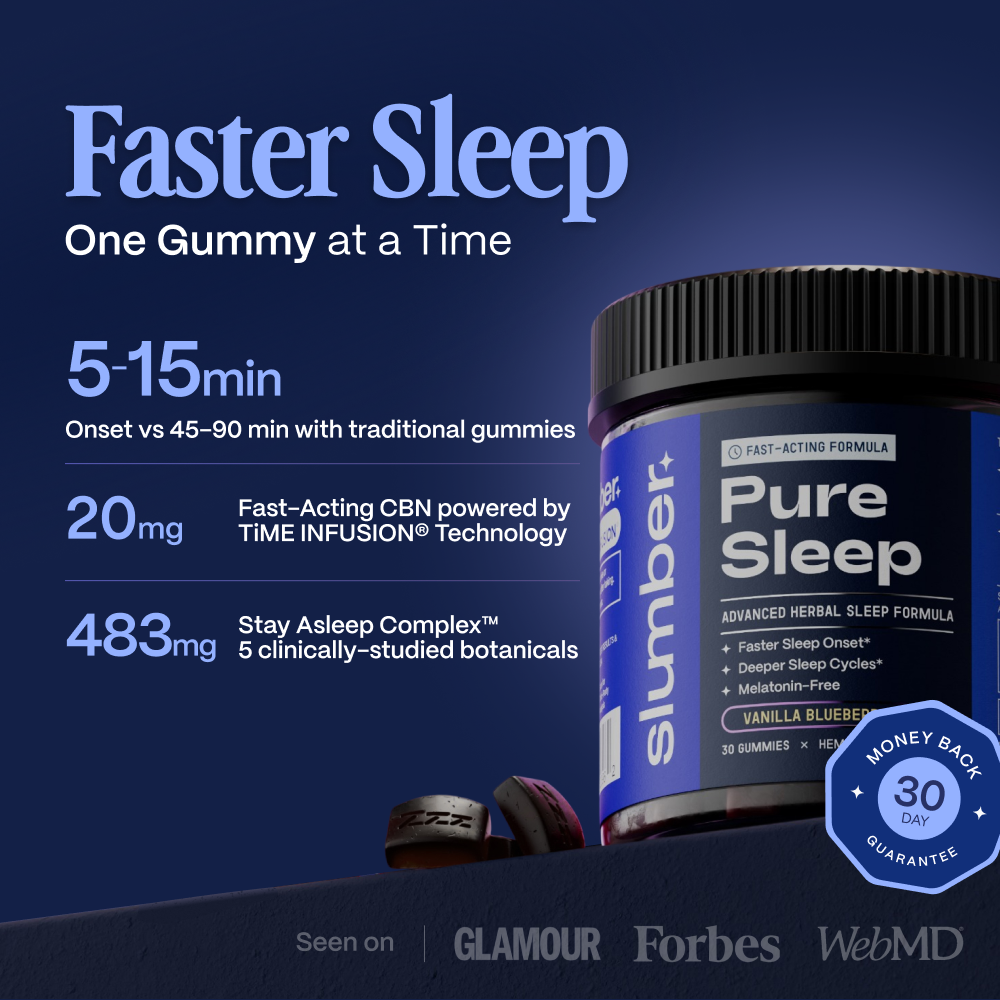
CBN and CBD, which interact with the Endocannabinoid System (ECS) to induce sedation and lower anxiety.

Why it matters
Natural sleep supplements are dietary compounds derived from plants, minerals, or amino acids designed to promote relaxation and support healthy sleep patterns. Unlike prescription sleep aids that often force a sedative state by shutting down brain activity, natural supplements typically work with your body's existing sleep-wake mechanisms.
The goal is restorative sleep. Most natural options don't create the physical dependency often seen with pharmaceuticals. They are available over-the-counter and are increasingly used to address the root causes of insomnia - such as nutrient deficiencies, cortisol spikes, or neurotransmitter imbalances—rather than just masking the symptoms.

Why it matters
To choose the right supplement, you need to understand the mechanism of action. Most natural sleep aids target specific receptors or systems in your body to downshift your biology from "fight-or-flight" (sympathetic) to "rest-and-digest" (parasympathetic).

Why it matters
In 2026, we are seeing research which suggests that prolonged use of melatonin as a sleep supplement may have long-term and undesirable health effects. The trend is now toward holistic stacks that address the root cause of sleeplessness.
Why this shift? Because modern sleep issues are complex. They involve stress (cortisol), blue light exposure (circadian disruption), and nutrient depletion (diet). A single hormone pill rarely fixes all three.
Magnesium is arguably the most critical micronutrient for sleep optimization. Think of magnesium as the key that unlocks your brain's ability to downshift. It physically blocks NMDA receptors (which are excitatory) and activates GABA receptors (which are inhibitory). Without adequate magnesium, your nervous system remains stuck in a low-level state of agitation, making it nearly impossible to achieve deep, restorative slow-wave sleep.

Why it matters
Not all magnesium is created equal, which is why we'd like to introduce various forms of magnesium which you can readily find online, in retail stores, and packed into supplements. From capsules and gummies to magnesium powder for sleep - like Slumber's Night Lytes - it's important to distinguish between these forms and understand how they might affect you:

Why it matters
Magnesium plays a dual role in sleep regulation. First, it is a co-factor in the conversion of tryptophan to serotonin, and then serotonin to melatonin. Translation: No magnesium, no natural melatonin production.
The body naturally produces melatonin through a multi-step biochemical pathway. Magnesium is required at several points in this process:
Magnesium plays a dual role in sleep regulation. First, it is a co-factor in the conversion of tryptophan to serotonin, and then serotonin to melatonin. Translation: No magnesium, no natural melatonin production.
The body naturally produces melatonin through a multi-step biochemical pathway. Magnesium is required at several points in this process:
Tryptophan Conversion: Magnesium serves as a catalyst for enzymatic reactions that convert the amino acid tryptophan into serotonin.
Enzyme Activation: It activates N-acetyltransferase (NAT), the key enzyme that converts serotonin into N-acetylserotonin, which is then converted into melatonin.
Melatonin Secretion: Research indicates that adequate magnesium levels may enhance the overall secretion of melatonin from the pineal gland, helping to signal sleep onset more effectively.
Second, magnesium regulates the body's stress-response system (the HPA axis). By suppressing the release of cortisol and ACTH (stress hormones) late in the day, magnesium prevents the 'tired but wired' feeling that keeps you awake (Abbasi B, et al. J Res Med Sci. 2012).
Here is a quick reference guide for optimizing your magnesium intake:
| Best For | Dosage | |
|---|---|---|
| Magnesium Glycinate | Overall sleep quality & relaxation | 200–400mg |
| Magnesium Threonate | Brain health & sleep onset | 144–2000mg |
| Magnesium Citrate | General relaxation + digestion | 200–400mg |
Protocol:
Take 300–400mg of Magnesium Glycinate30–60 minutes before bed. Powders, like Night Lytes, are often superior to capsules for absorption and hydration.
Functional mushrooms are one of the most underrated tools in the biohacker's sleep kit. Unlike quick-acting sedatives, mushrooms work as adaptogens —substances that help your body resist stressors of all kinds, whether physical, chemical, or biological. Adaptogens restore balance, strengthen the immune system, and are shown to improve vitality making them a most desirable addition to your wellness routine. Let's dive into functional mushrooms and how they support overall wellbeing.

While Reishi is the star for sleep, Lion's Mane plays a crucial supporting role. Known primarily for cognitive benefits and Nerve Growth Factor (NGF) support, Lion's Mane helps reduce anxiety and depressive symptoms that often disrupt sleep.
If your sleep issues stem from racing thoughts or mental overstimulation, Lion's Mane can help calm the "mental chatter."
OTHER EMERGING FUNGI:
Cordyceps: Usually for energy, but when taken in the morning, it regulates cortisol rhythms to ensure you are tired at night.
Chaga: Supports overall inflammation reduction, which can improve sleep quality indirectly.
Herbal remedies have stood the test of time and helped advance modern medicine in various ways, according to the World Health Organization. It's estimated that up to 40% of the modern pharmaceutical industry draws from nature and traditional remedies.
Valerian Root is the heavy lifter of the herbal world. It increases GABA levels in the synaptic cleft, inhibiting nerve transmission. It is one of the few herbs with significant clinical data showing it can improve sleep quality and reduce time to fall asleep.
Chamomile contains apigenin, a flavonoid that binds to benzodiazepine receptors in the brain. While milder than Valerian, it provides a gentle anxiolytic effect perfect for winding down (Bent S, et al. Am J Med. 2006).
Ashwagandha is an adaptogenic root that excels at lowering cortisol. In clinical studies, full-spectrum Ashwagandha root extract has been shown to significantly improve sleep quality and sleep onset latency.
Melatonin is a hormone, not a supplement in the traditional sense. While useful for jet lag or circadian rhythm disorders, it is often misused as a general sedative.
Building a stack is about personalization. Here are three protocols based on common needs:
Shop our top picks



Every product is third-party tested and backed by our 30-day satisfaction guarantee.
Have a question? Find answers to the most common questions about this topic below.
While individual results vary, Magnesium Glycinate is the best overall for sleep quality, while CBN is increasingly rated as the most effective for sedation and staying asleep.
Many users find CBN more effective because it promotes physical relaxation and sedation through the endocannabinoid system, whereas melatonin only signals sleep timing.
Yes, they work synergistically. Magnesium relaxes the body and nervous system, while CBN promotes sedation. This is a common and effective stack.
Generally, no. Magnesium and L-Theanine typically result in a refreshed feeling. Melatonin and Valerian can cause grogginess in high doses.
Magnesium and adaptogens like Reishi are generally safe for nightly use. It is often recommended to cycle herbs like Valerian or take breaks to assess your baseline sleep.
Tinctures and powders work in 15–30 minutes. Gummies take 30–60 minutes. Capsules can take up to 90 minutes.
The supplement industry is unregulated. Third-party testing (COA) is the only way to guarantee the product contains what the label says and is free from pesticides and heavy metals.
Start with Slumber's science-backed formulations — transparent COAs, US-grown hemp, and scientifically validated ingredients.